Mapping Corporate Brand Shifts to Strategic Domain Buys in Evolving Search Landscapes
Sage Foster · Nov 14, 2026
Mapping Corporate Brand Shifts to Strategic Domain Buys in Evolving Search Landscapes
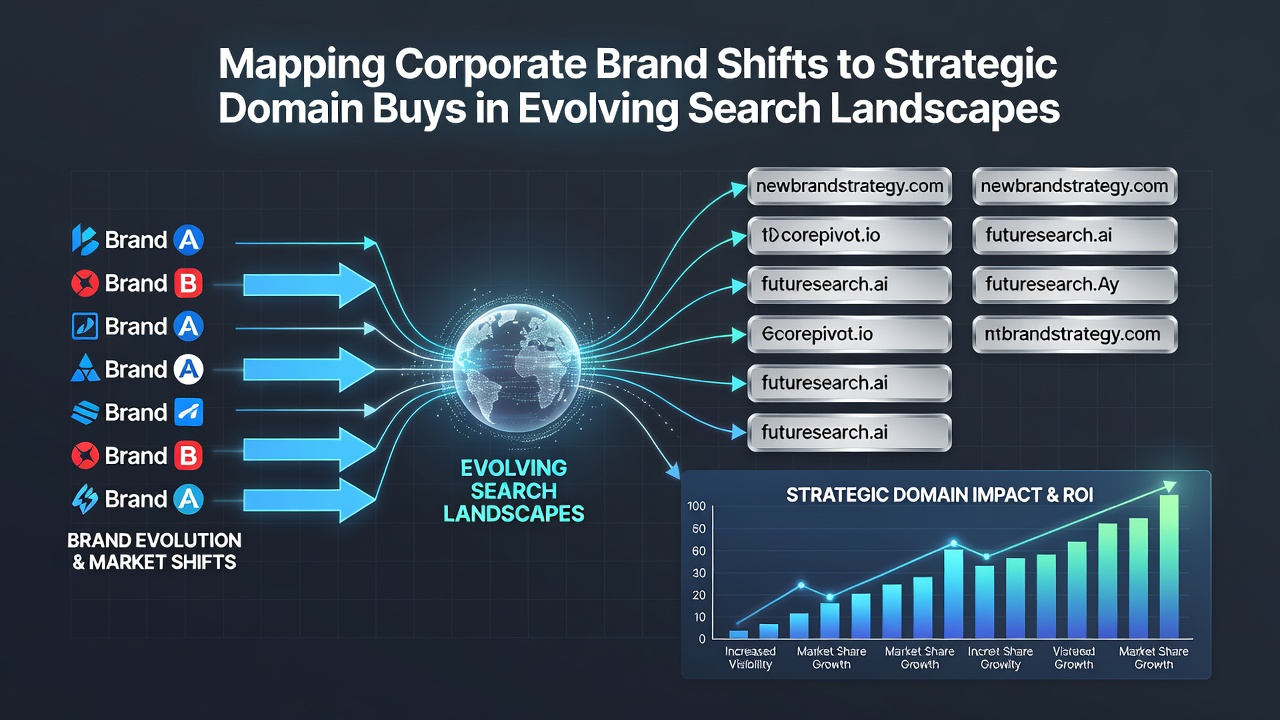
Corporate entities adjust their brand identities in response to market pressures, regulatory changes, and technological advancements, and these adjustments frequently align with targeted domain acquisitions that support visibility in shifting search environments. Data from industry tracking services shows that rebranding initiatives often coincide with purchases of exact-match or semantically related domains to maintain or improve rankings as algorithms evolve toward greater emphasis on user intent and contextual relevance.
Brand Evolution Patterns and Domain Alignment
Observers note that companies in technology, consumer goods, and financial services sectors have executed rebrands where core domain portfolios expanded to include variations that reflect new positioning, and these moves occurred alongside updates in search engine indexing practices that prioritize entity recognition over simple keyword density. Research indicates that when a corporation alters its visual identity or product focus, it secures domains that capture emerging search queries generated by the rebrand announcement, thereby reducing the risk of traffic dilution during transition periods.
Analysts from multiple regions track how acquisitions follow brand announcements within narrow timeframes, and records from domain registries reveal clusters of purchases that include internationalized domain names and new top-level extensions introduced to address localized search behaviors. Those patterns appear consistent across North American and European markets where search algorithms began weighting brand authority signals more heavily by mid-decade.
Search Landscape Changes Driving Acquisition Timing
Search engines introduced modifications to ranking systems throughout 2025 and into November 2026 that incorporated larger language models for result generation, and these alterations prompted organizations to reassess domain strategies to preserve organic reach. Figures from search analytics platforms demonstrate increased registration activity for domains containing terms related to artificial intelligence features, voice interfaces, and multimodal content formats that gained prominence during that period.
Entities that mapped internal brand roadmaps against projected algorithm updates positioned themselves to acquire names matching anticipated query shifts, while competitors who delayed purchases encountered higher aftermarket costs once the changes rolled out publicly. Data compiled by academic researchers at institutions in Australia and Canada illustrates correlations between the timing of corporate announcements and subsequent spikes in relevant domain transactions, highlighting how forward planning reduced exposure to competitive bidding.
Portfolio Construction Approaches
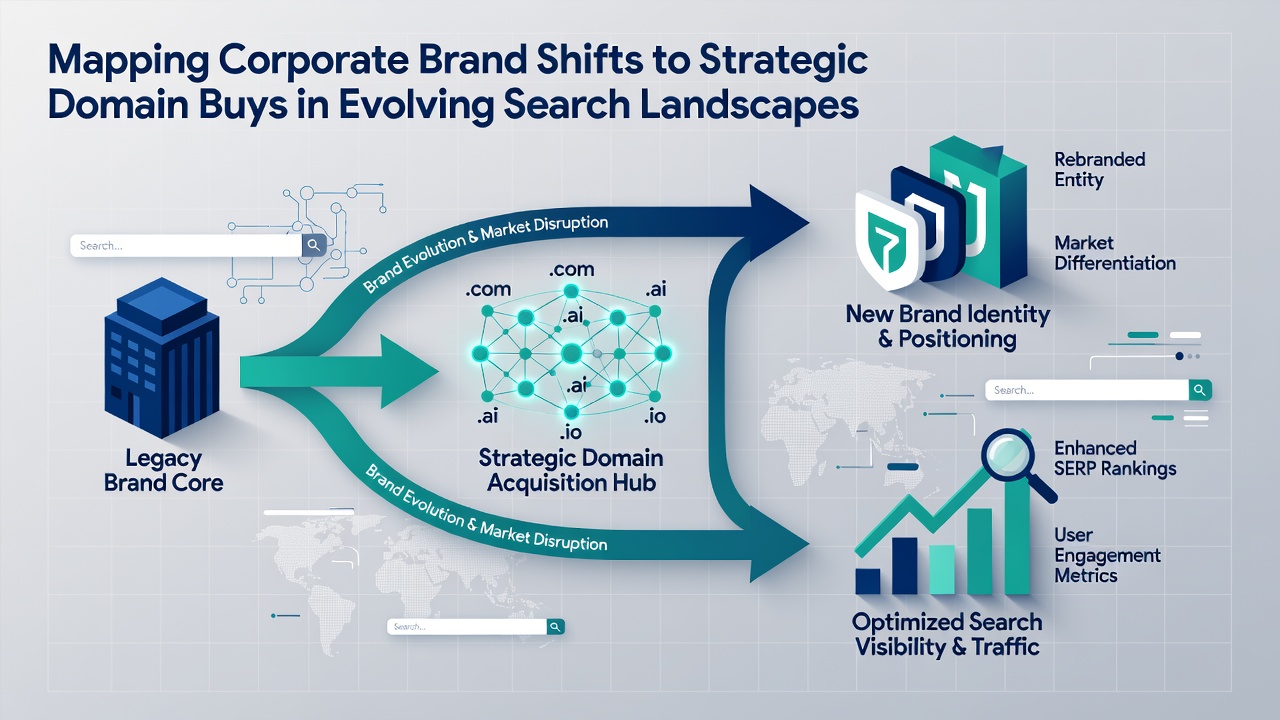
Companies construct domain holdings that mirror both current brand architecture and projected search surface area, and records show systematic inclusion of defensive registrations alongside primary assets to counter potential squatting during rebrand cycles. Industry reports from European regulatory bodies on digital market dynamics note that such layered acquisitions help maintain consistent entity signals across search results as engines refine their understanding of corporate relationships and subsidiaries.
Valuation models used by acquisition teams incorporate metrics from search volume trends, backlink profiles of comparable names, and historical performance data from similar brand transitions, and these models guide decisions on whether to pursue outright purchases or structured negotiations with current registrants. Observers have documented cases where portfolio managers coordinated acquisitions across multiple registrars to avoid detection patterns that could influence pricing.
Integration with Algorithmic Priorities
Algorithm updates released in late 2026 placed greater emphasis on freshness of brand signals and cross-platform consistency, and organizations responded by aligning domain holdings with updated content distribution strategies that feed into these systems. Research published through academic channels indicates measurable differences in visibility retention between entities that refreshed domain alignments proactively and those that maintained static portfolios through the transition.
Transaction logs from major registries further reveal that strategic buys often target domains previously associated with acquired or divested business units, allowing corporations to consolidate digital footprints and reduce fragmentation that search engines penalize through reduced prominence in entity panels and knowledge graphs. Those consolidations occurred alongside broader industry shifts toward consolidated digital identities.
Conclusion
Corporate brand shifts continue to intersect with domain acquisition strategies as search landscapes incorporate more sophisticated interpretation layers, and available data shows consistent alignment between rebrand timelines and targeted purchases that support sustained visibility. Organizations that monitor both internal identity changes and external algorithmic developments maintain clearer pathways to securing assets that match evolving query patterns across regions and platforms.